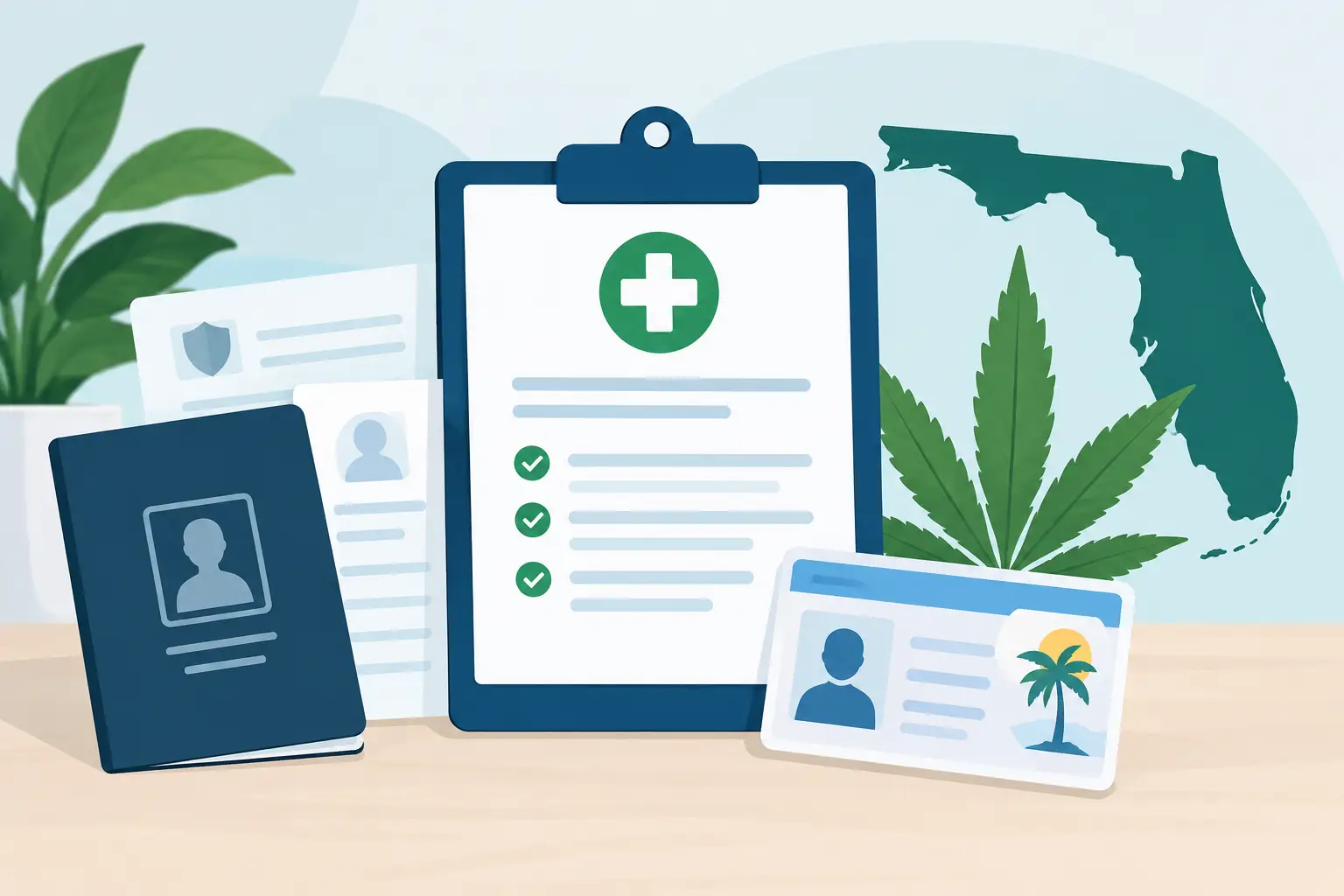

Florida patients often use the phrase MMUR registration certification to describe the entire process of becoming eligible for medical marijuana. In practice, it involves several separate steps: a physician evaluation, entry into the state Medical Marijuana Use Registry, a state identification card application, and ongoing physician recertification. Knowing where each step begins and ends can make the process feel far more manageable.
For patients in Tampa Bay and throughout Florida, the goal is not simply to complete paperwork quickly. It is to receive appropriate physician-led care, understand the state requirements, and maintain certification without avoidable interruptions.
MMUR Registration Certification: The Parts of the Process
The Medical Marijuana Use Registry, commonly called the MMUR, is Florida’s secure state system for qualified medical marijuana patients and their certifying physicians. Your physician uses the registry to document that you have been evaluated and, when medically appropriate, to enter your certification and treatment orders.
A physician certification is not the same thing as a state medical marijuana identification card. The certification comes from a qualified Florida physician after a clinical evaluation. The card is issued by the state after the patient submits an application and receives approval. Both are generally needed before a patient can purchase medical marijuana from a licensed Florida dispensary.
This distinction matters because each part has its own timing and responsibilities. A physician’s office can guide patients through the registry-related steps and provide the required certification when appropriate, but the state reviews and approves the identification card application. Patients should plan ahead rather than wait until they need to make a purchase or their current certification is about to expire.
Step One: Start With a Comprehensive Physician Evaluation
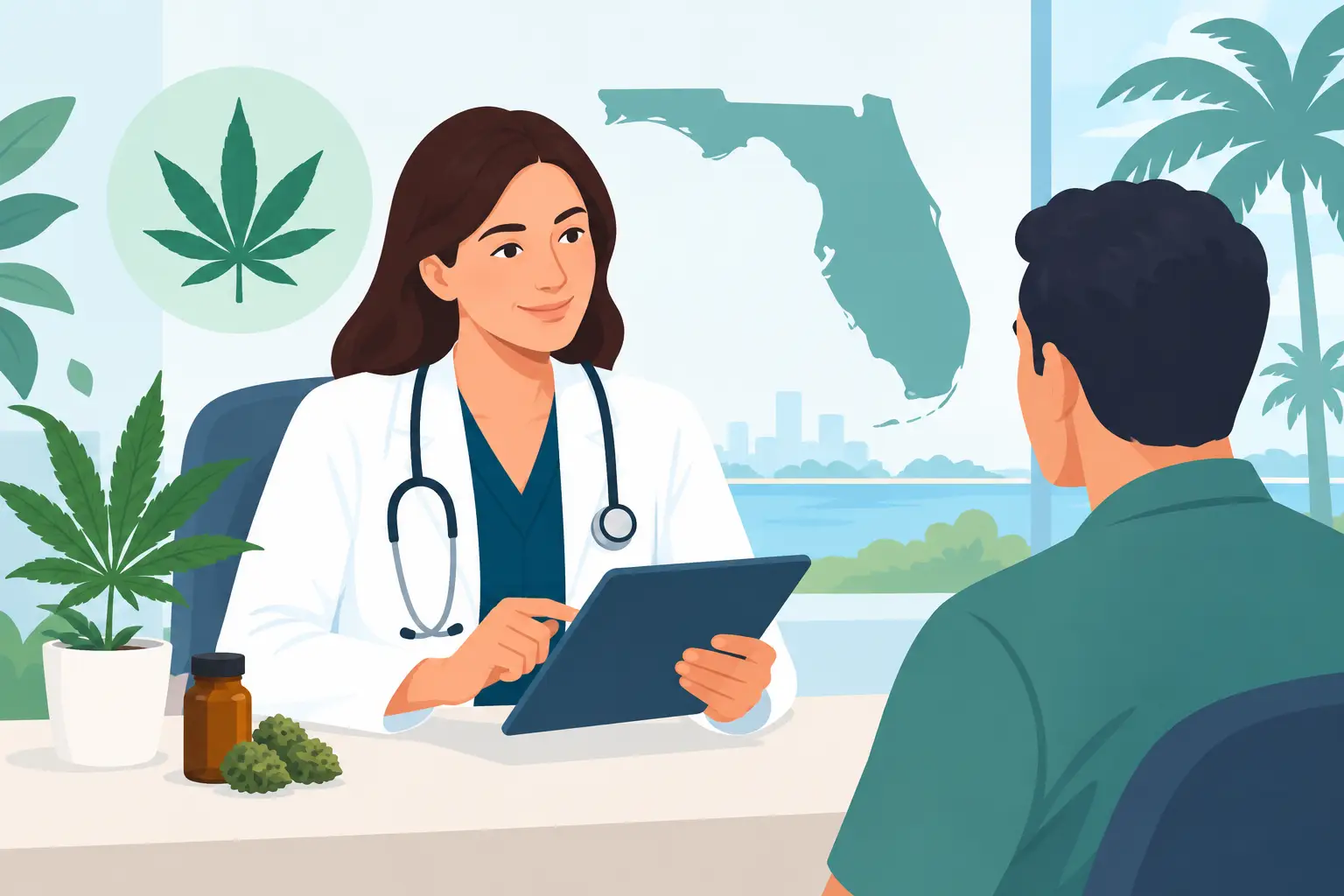
The process begins with an appointment with a qualified medical marijuana physician. During a first-time evaluation, the physician reviews your health history, current symptoms, prior treatments, medications, and relevant medical records when available. The purpose is to determine whether medical marijuana may be appropriate for your individual circumstances under Florida law.
A qualifying condition does not automatically guarantee certification. The physician must make an individualized medical judgment, explain potential benefits and risks, and determine whether certification is clinically appropriate. This is why a legitimate certification visit should feel like a medical appointment, not a transaction.
Patients should be prepared to discuss their condition honestly and bring useful documentation when they have it. Records can help provide context, particularly for patients with complex histories, recent diagnoses, or care from multiple specialists. However, the physician will explain what information is needed based on the circumstances of the visit.
For new patients, an in-person appointment is generally part of establishing care. This provides the physician an opportunity to complete a proper evaluation and answer practical questions about the Florida process.
Step Two: Physician Entry Into the MMUR
If the physician determines that certification is appropriate, the practice enters the necessary patient information and certification details into the MMUR. Patients typically receive an email from the state registry with instructions for completing their portion of the process.
Accuracy is especially important at this stage. Your name, date of birth, email address, and identifying information should match the information used for your state application. A small mismatch can create unnecessary delays, so review every field carefully and contact the physician’s office promptly if something appears incorrect.
The physician may also discuss treatment routes and issue orders within the registry based on your clinical needs. These orders are different from the state card itself and are subject to Florida rules and physician oversight. Patients should follow the physician’s instructions, ask before making changes to their use, and keep the practice informed about side effects or concerns.
Step Three: Complete the State Card Application
After the physician has entered the patient into the registry, the patient completes the state medical marijuana card application. This portion typically requires identity and residency information, a photograph, and payment of the state application fee. Florida residents and eligible seasonal residents may have different documentation requirements.
The state, not the physician’s office, makes the final decision on the identification card application. Processing times can vary, particularly when the state needs additional documentation or an application contains incomplete information. Submitting a clear, accurate application as soon as you receive the registry email can help prevent a last-minute delay.
Keep copies of your submitted information and watch the email account connected to your registry profile. State notices, renewal reminders, and application updates may be sent there. If you change your email address, home address, or other key information, update it through the appropriate state process rather than assuming the registry will update automatically.
What Happens After Approval
Once your state card is active and your physician certification is in place, you may purchase medical marijuana from licensed Florida dispensaries within the limits of your active orders. Your physician can help you understand the treatment plan, but dispensary staff may also assist with product selection and product-specific questions.
Patients should approach treatment thoughtfully. Response can differ from person to person, and the right product type, route, or timing depends on the condition being addressed, prior experience, other medications, and daily responsibilities. Avoid driving or operating machinery while impaired, and discuss any concerns with your certifying physician.
Medical marijuana certification is not a one-time event. Florida requires ongoing physician involvement, and certifications must be renewed on a regular schedule. Many patients refer to this as their seven-month renewal because physician certifications generally need to be recertified before the 210-day period ends. The state card also has its own renewal cycle, which is separate from the physician certification.
Missing either deadline can affect your ability to purchase medication. It is wise to schedule a renewal appointment well before the certification expiration date and to respond to state card renewal notices promptly.
Transfers and Renewals Need Careful Timing
Patients may transfer to a different certifying physician for many reasons. They may have moved, want a more responsive office, need clearer pricing, or prefer a physician-led practice closer to home. A transfer visit still requires an evaluation. The new physician must review your history and determine whether continued certification is appropriate before assuming responsibility for your care.
Do not wait until the last day of an active certification to begin a transfer. Registry coordination, appointment availability, and clinical review all take time. Bringing prior information, including current orders and relevant medical records, can support a more efficient transition.
For established patients who remain eligible, telemedicine may be available for certain renewal appointments under applicable Florida requirements. Whether telehealth is appropriate depends on the patient’s status, clinical needs, and current regulations. New patients and patients needing a more detailed assessment may need an in-person visit.
Green Room Health MD provides in-person evaluations, transfers, and renewals for patients across Tampa Bay, with eligible telemedicine renewal access for established patients throughout Florida. Clear appointment expectations and transparent pricing help patients plan their care without surprises.
Simple Habits That Reduce Delays
The MMUR process is regulated, but it does not need to be intimidating. Most preventable problems come from waiting too long, missing state emails, or confusing the physician certification with the state card. Keep your contact information current, save your renewal dates, and give yourself time before an expiration.
It also helps to treat the certification relationship as ongoing healthcare. Tell your physician if your symptoms change, you begin a new medication, you experience unwanted effects, or your treatment no longer feels appropriate. A certification plan should be reviewed with the same care given to other parts of your medical treatment.
The most useful next step is often a straightforward one: schedule an evaluation early, bring the information you have, and ask every question you need answered. A supportive physician office can help make the administrative path clearer while keeping your care centered on your health.